The goal of the Pathfinder class is for students to demonstrate increased independence and generalization of functional academics and life skills.
The Pathfinder class receives up to 2.5 hours of group instruction daily, while the remainder of their day, students work in small groups and/or in one-to-one instruction.
Child/Staff Ratio
- Class taught by a bachelor or master’s level special educator
- Bachelor’s level teaching assistant
- Up to 7 students in a class
- One-on-one adult support for all students
Programs/Curriculums That May Be Utilized
- Maryland Common Core Standards
- VB-MAPP
- Principles of Orton Gillingham
- SIPPS (Systematic Instruction in Phonological Awareness, Phonics, and Sight Words)
- Equals Math Curriculum
- STAR Curriculum
The following are examples of things our students may work on within each subject area:
| ELA | Students strengthen phonics and comprehension skills by engaging with texts across a variety of contexts. Key learning includes reading functional words and environmental print, responding to literal questions about stories, and sequencing written directions or events to support understanding and task completion. |
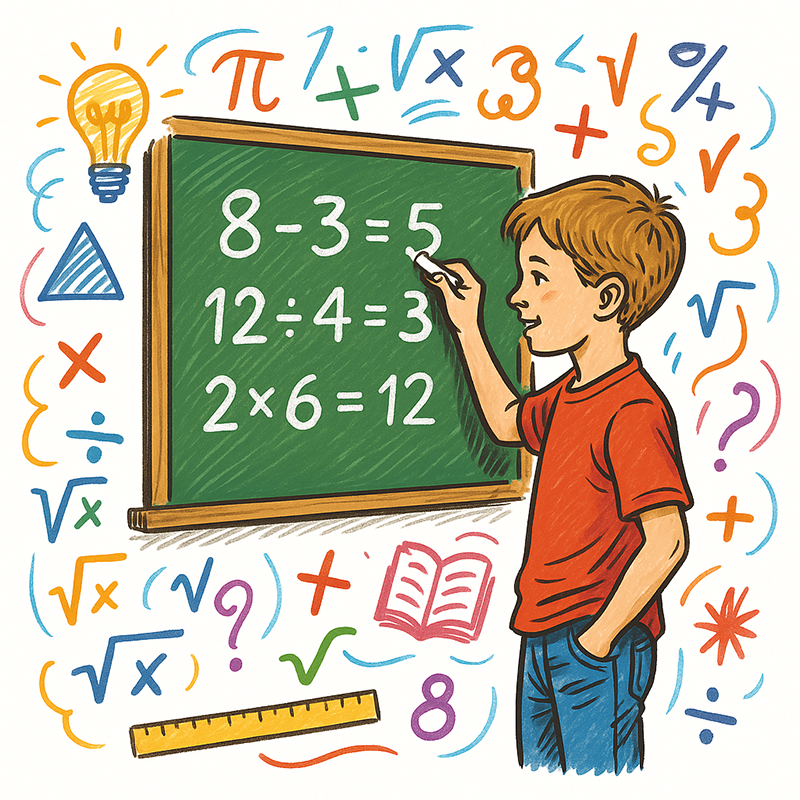
| Math | Students build numeracy and problem-solving skills through interactive, hands-on experiences. They practice estimating quantities, using calculators to solve equations, and ordering and comparing numbers to develop fluency and confidence in mathematical reasoning. |
| Science | Students explore the world around them by looking closely and asking questions. They learn about weather changes, notice the sun, moon, and stars in the sky, and discover how plants and animals grow and change over time. |
| Social Studies | Students learn about their community and the people in it. They explore important American symbols, explore and identify community helpers, and begin to understand that people have different needs, wants, and ways of living. |
| Health | Students will explore and practice differentiated skills across key areas including personal safety, healthy relationships, hygiene and physical well-being, self and social awareness, and understanding their bodies. |
| PE | Students participate in differentiated physical activities that promote motor skill development, collaboration, and physical fitness. Through games, sports, and movement routines, they grow confidence and joy in active play. |
| Art | Students explore and create original artwork by using key elements of art such as line, color, shape, and texture using differentiated instruction. Building on these foundations, they begin to investigate principles of design like balance, movement, and space. Students experiment with a variety of materials and techniques—including weaving with yarn and shading with colored pencils—to express their ideas and develop creative confidence. |